Video game soundtracks are pretty respectable these days. I just watched James Bond composer David Arnold take the stage at the BAFTA Games Awards and pay tribute to the medium before presenting an award to Toma Otowa for the Ghost of Yōtei soundtrack. After a sustained campaign for recognition by a PR friend of mine, UK classical music radio station Classic FM now frequently plays video game scores. It’s small wonder, really; game music concerts now regularly sell out, which must be a boon for classical venues and musicians everywhere (even if they were used as a punchline in Tár).
But I’m mostly talking about classical compositions that are indebted to the great masters and strongly influenced by a century of film scores. There are other kinds of soundtracks that are endemic to the video game medium, but are still pretty disreputable. These soundtracks don’t make you think of the cinematic vistas of modern blockbuster games; instead they recall the grimy thrills of the arcade. They’re fluent in multiple musical genres, moving between them with ease, but always have a hard-charging tempo and pushed-to-the-max production. They’re rarer than they used to be, but still to be found in genres like fighting and racing games; think Tekken 8, or Sonic Racing: Crossworlds, or my beloved Tokyo Xtreme Racer.
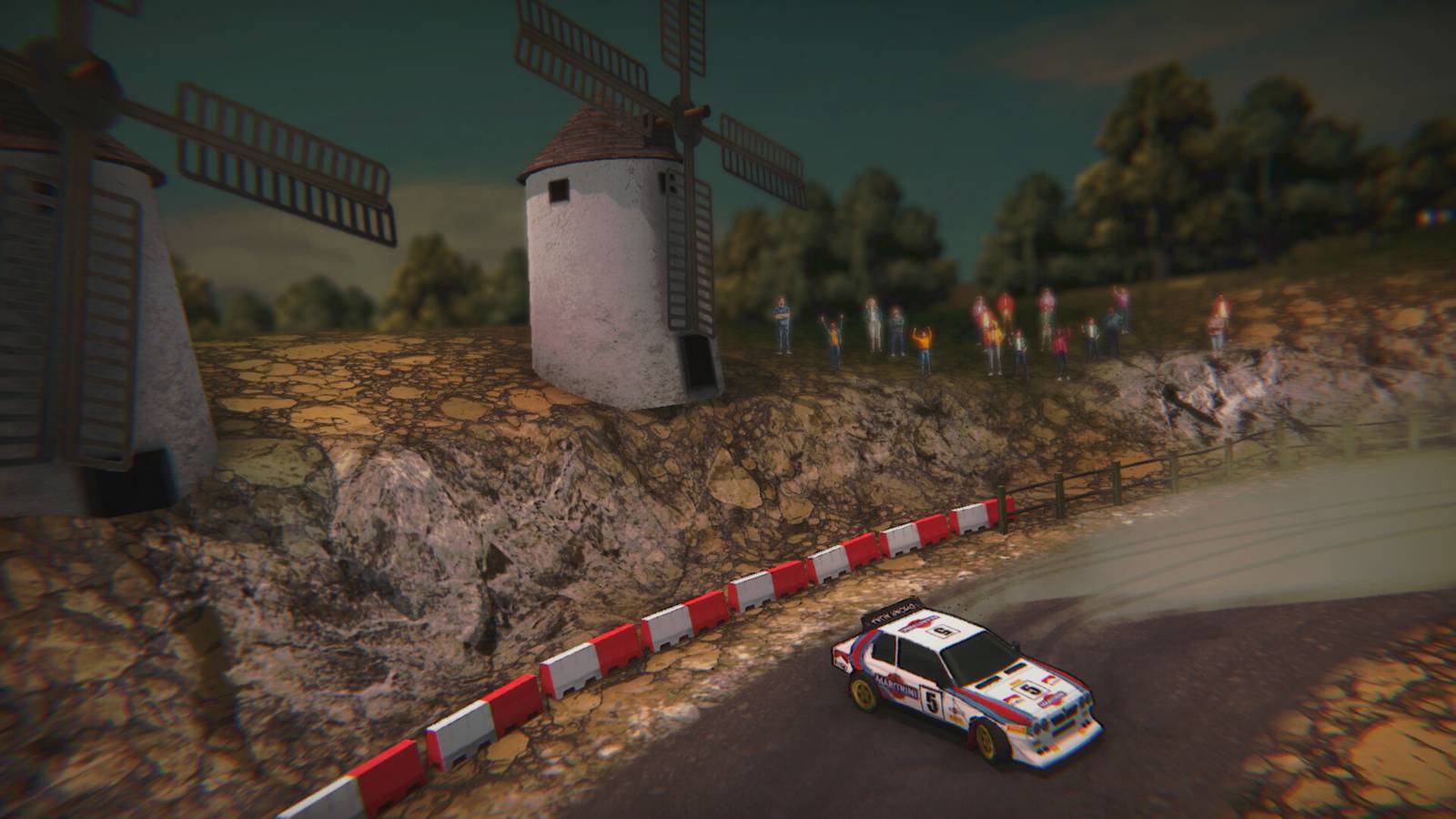
I recently stumbled on a great example of the form: the soundtrack to solo-developed Spanish indie racing game Super Woden: Rally Edge. The game itself, a pared-down arcade rally challenge with dozens of collectible classic rally cars, is fantastic. But for game music enthusiasts who aren’t into racing, the soundtrack is available to buy separately on Steam. (You can also find it on YouTube.)
It’s mostly high-energy stuff, as befits a game about sending toylike cars hurtling and powersliding along two-minute rally stages. It’s also quite retro, as befits a game with a kind of cel-shaded PS1 aesthetic. It consists of EDM, metal, hip-hop, and jazz-funk rendered with a synthetic MIDI sound that pairs naturally with vibrant low-poly graphics and blocky, functional menus.
It’s a soundtrack of two halves, provided by two different artists. DJ DeVito provides the spine: a suite of techno, Eurodance, electro, and happy hardcore, all of it relentlessly and joyously upbeat. “Drive or Die” is infectiously jolly, powered by an insistent bassline and amusingly 80s synthesized orchestra stabs. “Across the Universe” is another example of DJ DeVito’s hilariously insistent four-to-the-floor techno.
This solid foundation is then built on by the work of a true wizard called DonutDroid who puts the Super Woden: Rally Edge soundtrack on a whole new level. DonutDroid’s ability to flit between musical genres while maintaining a consistent sound and vibe is truly amazing.
“Burn Rubber Lovers” is punky breakbeat that wouldn’t be out of place on the Jet Set Radio soundtrack. “Funk Boy Slim” is immaculate funky big beat with Hammond organ, horns, and jazz flute. “Disco Killer Music Lover” is early, scuzzy Daft Punk. “Gravel Fury” is pure hair metal riffage. The intricacy of DonutDroid’s musicianship can amaze: “Turbocharged rage” and “Lost in Daytona” go deep into wild, stuttering jazz rock territory with complex time signatures, slap bass, and noodling solos.
Nobody’s going to give DJ DeVito and DonutDroid a BAFTA for their work on Super Woden: Rally Edge. But hopefully the work is its own reward. These unsung heroes are keeping an authentic musical vernacular for video games alive: looping, complex, brash, bursting with witty pastiche and compositional skill, fizzing with energy. David Arnold could never.