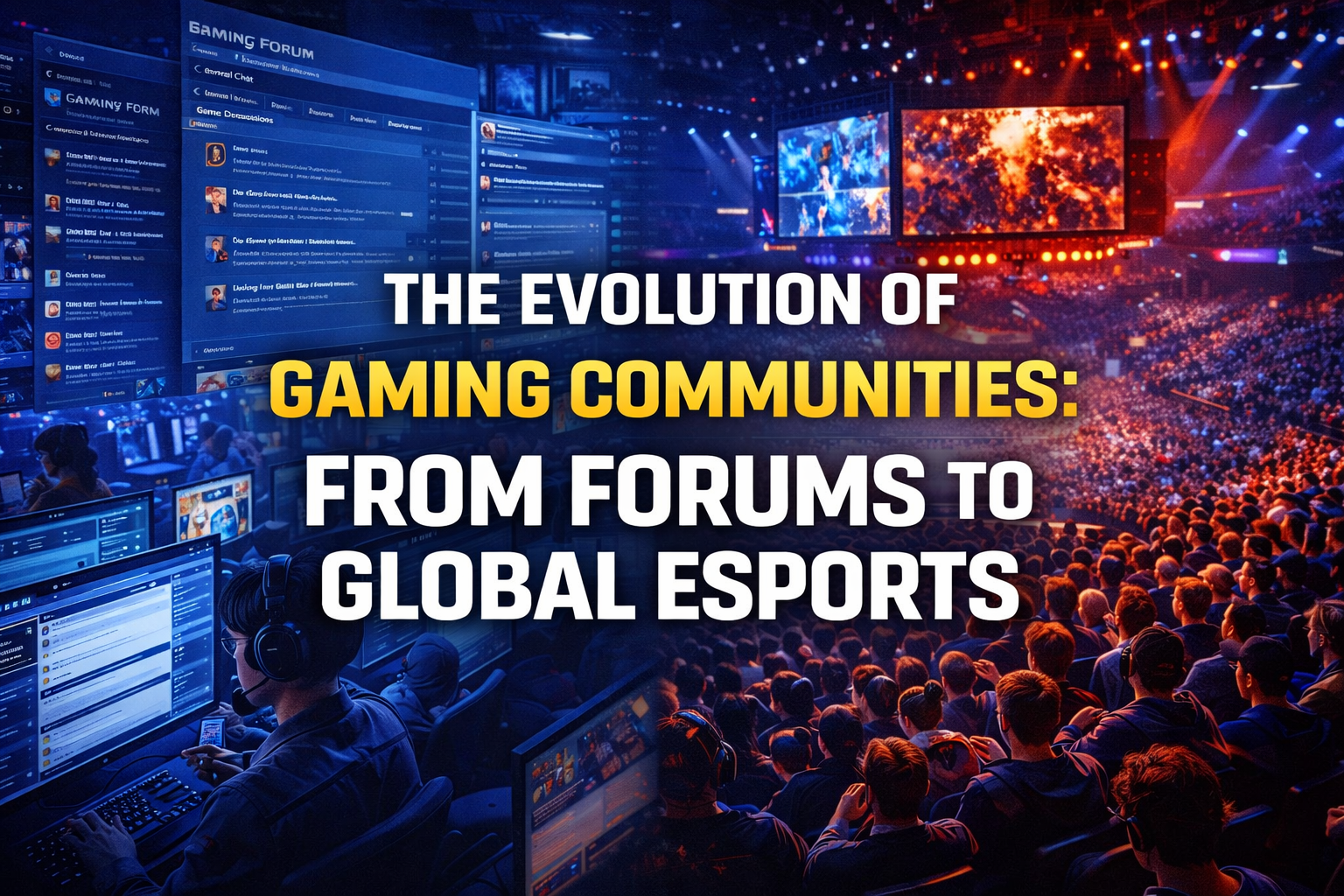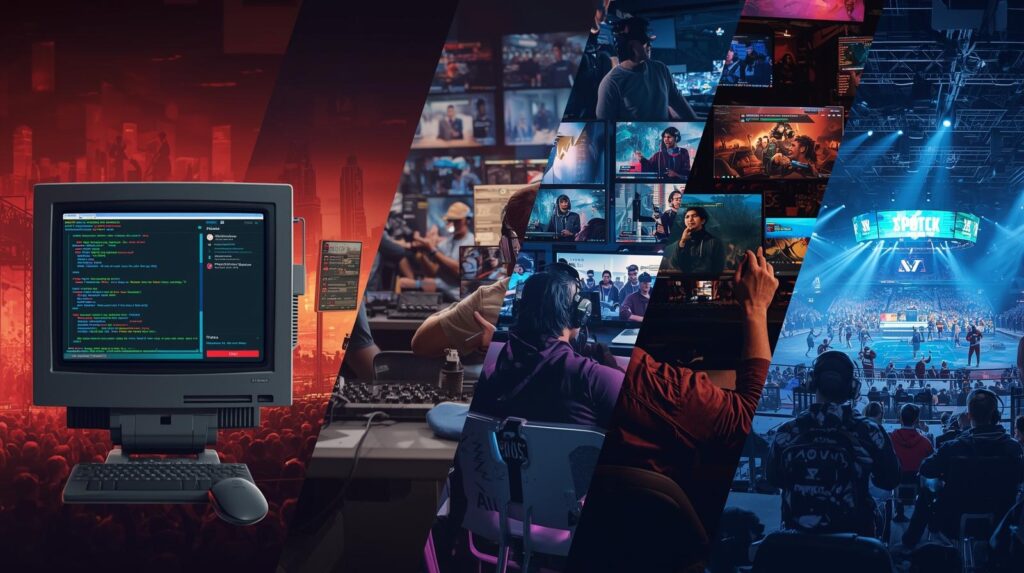
Gaming has never been just about playing games. For decades, players have gathered in communities to share strategies, discuss favorite titles, compete with others, and form friendships. What began as small online discussions in early internet forums has transformed into massive global networks of players, streamers, and professional esports teams.
Today, gaming communities exist across social platforms, live streaming services, Discord servers, and esports arenas watched by millions. These communities shape gaming culture, influence game development, and help new games become global sensations.
This article explores how gaming communities evolved from simple online forums into a powerful global ecosystem connected to streaming, social media, and esports. We will examine key milestones, technologies, and platforms that helped gaming communities grow into one of the most active online cultures in the world.
Gaming Communities by the Numbers
Modern gaming communities are massive and global. The numbers highlight just how large they have become.
| Category | Estimated Global Data |
|---|---|
| Total gamers worldwide | 3+ billion |
| Online gaming community members | 1.8+ billion |
| Active Discord gaming servers | 19+ million |
| Esports viewers worldwide | 600+ million |
| Gaming-related YouTube channels | Millions |
These figures show that gaming communities now rival traditional sports fanbases in size and influence.
The Early Days: Gaming Communities Before the Internet
Before online platforms existed, gaming communities formed in physical spaces.
Arcades as the First Social Gaming Hubs
In the late 1970s and 1980s, arcades were where gamers gathered.
Players would:
- compete for high scores
- share gameplay tips
- watch skilled players
- challenge each other
Popular arcade games that built communities included:
- Pac-Man
- Street Fighter
- Donkey Kong
- Space Invaders
Arcades created early competitive gaming culture and helped build the first gaming friendships.
The Rise of Online Forums
As the internet became popular in the 1990s, gaming communities moved online.
Early Gaming Discussion Boards
Online forums allowed players to communicate regardless of location.
Popular gaming forums included:
- GameFAQs
- IGN Boards
- NeoGAF
- Something Awful
These platforms became meeting places for gamers worldwide.
What Players Shared in Forums
Forum discussions usually focused on:
- walkthroughs and guides
- game secrets and cheat codes
- multiplayer strategies
- hardware advice
These communities were extremely helpful during a time when official game guides were limited.
Multiplayer Games Strengthen Online Communities
The launch of online multiplayer games changed gaming communities forever.
Instead of only talking about games, players could now play together online.
Early Multiplayer Community Games
Several titles helped create strong online communities.
| Game | Genre | Community Impact |
|---|---|---|
| Quake | First-person shooter | Early competitive clans |
| Counter-Strike | Tactical shooter | Large online teams |
| StarCraft | Real-time strategy | Major esports following |
| World of Warcraft | MMORPG | Massive social guild systems |
These games encouraged players to form teams, clans, and guilds, which created deeper community bonds.
The Era of Clans, Guilds, and Online Teams
Online games introduced organized player groups.
Types of Gaming Groups
Different genres created different types of communities:
- Clans – Common in shooter games
- Guilds – Popular in MMORPGs
- Teams – Used in competitive games
These groups often had:
- private forums
- voice chat systems
- scheduled game sessions
Many long-term friendships began in these early online groups.
The Birth of Gaming Social Platforms
By the late 2000s, gaming communities began moving to new social platforms.
Platforms That Changed Gaming Communities
Several websites helped expand gaming discussions.
- YouTube
- Facebook gaming groups
- Steam community hubs
These platforms made it easier for players to:
- share videos
- discuss updates
- post fan content
- organize tournaments
Gaming communities started becoming more creative and content-driven.
Streaming Platforms Create New Gaming Stars
The launch of live streaming platforms completely transformed gaming communities.
The Rise of Game Streaming
Streaming services allowed players to broadcast their gameplay live.
Major platforms include:
- Twitch
- YouTube Gaming
- Kick
- Facebook Gaming
Millions of viewers watch streamers daily.
Why Streaming Changed Gaming Communities
Streaming added new ways for fans to interact with gamers.
Viewers can:
- chat with streamers in real time
- support creators through subscriptions
- participate in community events
Some streamers have built massive communities with millions of followers.
Discord: The Modern Gaming Community Hub
One of the most important tools for gaming communities today is Discord.
Discord combines several community features in one platform.
Features That Made Discord Popular
Discord servers offer:
- voice chat
- text channels
- private communities
- gaming event scheduling
- streaming and screen sharing
Many gaming communities now organize entirely through Discord.
Example of a Gaming Discord Server Structure
| Channel Type | Purpose |
|---|---|
| Announcements | Game updates and events |
| General Chat | Community discussion |
| Strategy Guides | Tips and gameplay help |
| Voice Channels | Multiplayer communication |
| Media Sharing | Screenshots and clips |
Discord has become the central hub for many gaming communities.
Social Media Expands Gaming Culture
Gaming discussions no longer stay within gaming platforms.
Social media now plays a huge role in gaming communities.
Platforms Used by Gamers
Gamers actively share content on:
- Twitter/X
- TikTok
These platforms help gaming moments spread quickly across the internet.
Examples include:
- viral gameplay clips
- esports highlights
- game memes
- fan art and cosplay
This content helps build global gaming culture.
The Rise of Esports Communities
One of the biggest developments in gaming communities is the growth of esports.
Esports turned gaming into organized competition with global audiences.
How Esports Communities Form
Esports communities usually develop around:
- specific games
- professional teams
- favorite players
Fans gather online to discuss matches, strategies, and tournament results.
Major Esports Titles
| Game | Genre | Competitive Scene |
|---|---|---|
| League of Legends | MOBA | Massive global tournaments |
| Dota 2 | MOBA | Record prize pools |
| Counter-Strike | FPS | Long-standing esports community |
| Valorant | Tactical shooter | Rapidly growing tournaments |
| Fortnite | Battle royale | Large youth audience |
These games have passionate communities that support competitive scenes.
Gaming Content Creators Strengthen Communities
Content creators have become a major part of gaming communities.
Types of Gaming Creators
Gaming content appears in several forms:
- gameplay videos
- tutorials and guides
- esports commentary
- comedy and gaming memes
Creators help grow communities by:
- entertaining fans
- teaching gameplay strategies
- promoting new games
Many communities form around popular creators.
Why Gaming Communities Matter
Gaming communities are not just for entertainment. They serve several important roles.
Benefits of Gaming Communities
- Learning new strategies
- Making friends with similar interests
- Discovering new games
- Supporting esports teams
- Creating fan content
These communities help players feel connected to something bigger than just a single game.
Infographic: The Growth of Gaming Communities
Arcade Era -------- Local player groups
Internet Forums --- Online discussions
Multiplayer Games - Clans and guilds
Streaming Era ----- Creator-driven communities
Esports Age ------- Global competitive fanbases
Each stage helped expand gaming communities to larger audiences.
Challenges Gaming Communities Face
While gaming communities are powerful and creative, they also face challenges.
Common Problems in Online Communities
Some issues include:
- toxic behavior in multiplayer games
- harassment and online bullying
- misinformation about games
- cheating in competitive environments
Developers and platforms now work to improve moderation and community rules.
The Future of Gaming Communities
Gaming communities will continue evolving with new technologies.
Several trends may shape the next generation of gaming culture.
Future Developments
- Virtual reality gaming communities
- AI-driven community moderation
- Cross-platform gaming communities
- Metaverse-style social gaming spaces
- Larger global esports audiences
New technologies will make gaming communities even more interactive.
How Gaming Communities Influence Game Development
Game developers often listen closely to community feedback.
Players share opinions about:
- game balance
- new features
- bugs and performance issues
Many games improve because developers listen to their communities.
Examples include:
- patches based on player feedback
- new content suggested by fans
- esports features requested by competitive players
Communities now play a major role in shaping modern games.
Final Thoughts
Gaming communities have come a long way from small groups of players sharing tips in arcades and early internet forums. Today, they are global networks connecting millions of gamers through streaming platforms, social media, and esports tournaments.
Modern gaming communities are creative, passionate, and highly influential. They help games grow, support professional players, and bring fans together from different parts of the world.
As technology continues to evolve, gaming communities will likely become even more interactive and immersive. Whether through virtual reality worlds, advanced streaming platforms, or global esports competitions, these communities will continue shaping the future of gaming culture.
The evolution of gaming communities shows how a shared love for games can connect people worldwide and turn a hobby into a powerful global culture.