If I had a nickel for every game released in the last few months with a message about the tension between technology and humanity, I’d actually have three nickels. Which isn’t very much, but across such a short period of time, it is unusual. There was Pragmata, with its musings about how tech can never copy the essence of living, no matter how convincing. Then came Zero Parades: For Dead Spies, which takes a broader view of how the privileged wield technology to maintain the gulf between themselves and the disadvantaged. It’s insightful, but focused on the big picture. And there’s Subnautica 2, which makes the topic personal. This is a game with a message about technology, and it’s probably not the one you assume at the start.
The first data logs you unlock go deep into what basically amounts to Subnautica 2‘s version of AI psychosis. You’re enslaved to Alterra, a company that forces you to work until you pay off some unspecified debt, a freedom that’s never going to manifest — something your character and colleagues are well aware of. Alterra sends “pioneers” to other planets in a bid to gather resources or stake a claim there before someone else can, and aiding you in your mission is a personal digital assistant linked to a network called NoA that plans your every move. It even makes you a new body when you die and keeps backup copies of your soul. How nice! Except the first thing you learn about your assistant is that people tend to develop unhealthy attachments to it and lose their minds.
A handful of interactions unfold shortly after that make you think Subnautica 2 is retreading old ground about not losing yourself to technology, how something so simple as watching the sunset is a finger in the eye of heartless techno-overlords. The assistant offers inspirational messages designed to keep you focused on your task while slipping in guilt for pioneers weak enough to let themselves feel overwhelmed. It spits out “culturally relevant motivational facts” in a way that suggests someone outside Alterra litigated this feature into existence. It’s artfully presented, but fairly mild as critiques of technology and big business go.
Then the tone starts to change. Across several non-essential data logs, a now-dead colleague records interactions with a culture apparently native to the planet. These people once engineered marvels, though were recently reduced to working with rudimentary tools and creating simple objects. (Though looking at what they achieved even with these basic tools, it makes you wonder whose definition of “simple” we’re working from here. Leonardo Da Vinci’s?)
The assistant gets very anxious when you discover something new this civilization created, something that Alterra hasn’t developed a party line for. Its first course of action is reminding you that there is no accepted message about it and to regard it as dangerous until Alterra says otherwise. It even goes so far as to scold you for modifying your company tech with “alien” innovations. Suddenly, it makes sense that NoA never leads you to the logs detailing the exceptional achievements of this native culture, achievements that fly in the face of the path human progress took on Earth. You can’t see those. You might get ideas.

You learn later that a schism fractured your colleagues at some point. Many of them wanted to blame NoA for manipulating the mission, and it’s easy to see why. The device is repulsive and invites mistrust. It tries on camaraderie when it talks to you about memories of your dead friends, friends it killed “for the sake of the mission.” It decides who gets to be reborn and the state of their mind when they come back to life. Its aim, as one co-worker points out, is an endless cycle of brutal deaths and cheap lives repeated until the concept of living is meaningless and all that remains is efficient, compliant labor.
Except NoA can’t want anything because NoA isn’t alive, no matter how much it tries to convince you otherwise. A data log tucked away near the end of the early access story notes that one of the pioneers realized they needed to push NoA to act outside its programmed boundaries if they wanted to fight back against Alterra. NoA only does what it’s told by the people who made it.
In the terms of samsara (a cycle of suffering and rebirth) that Subnautica 2 likes to invoke, this is a moment of enlightenment. Life isn’t just choosing between one form of suffering (endless corporate slavery) or another (feeding yourself to the planet) as one reckless pioneer thinks. It’s not an unwinnable fight between humans and machines. It’s just another manifestation of the conflict between labor and capital.
Technology, Subnautica 2 says, isn’t some inevitable force, an inexorable next step on the march of progress that everyone must adapt to. It’s not the only way forward. No matter what anyone tells you, there are alternate paths to success, as the other civilization in Subnautica 2 discovered. They may just give certain people fewer ways to exploit it. And technology is certainly not a neutral entity. It’s a tool created by people with specific intentions — intentions to help themselves at the expense of others. It does what they want, and what they want is total control over mind, body, and spirit.
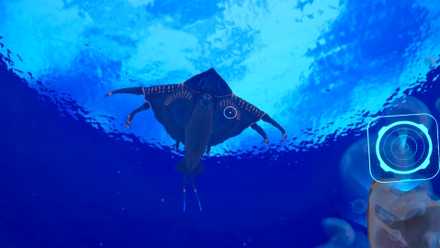
Escaping Subnautica 2’s early access zone is– OH DEAR GOD
Beyond here lies despair

