Despite the global success of anime, animation studios are at their breaking point. The most recent victim of the unending crunch is Studio Kai, which announced insolvency to the tune of ¥565 million (around $3.54 million) earlier this week.
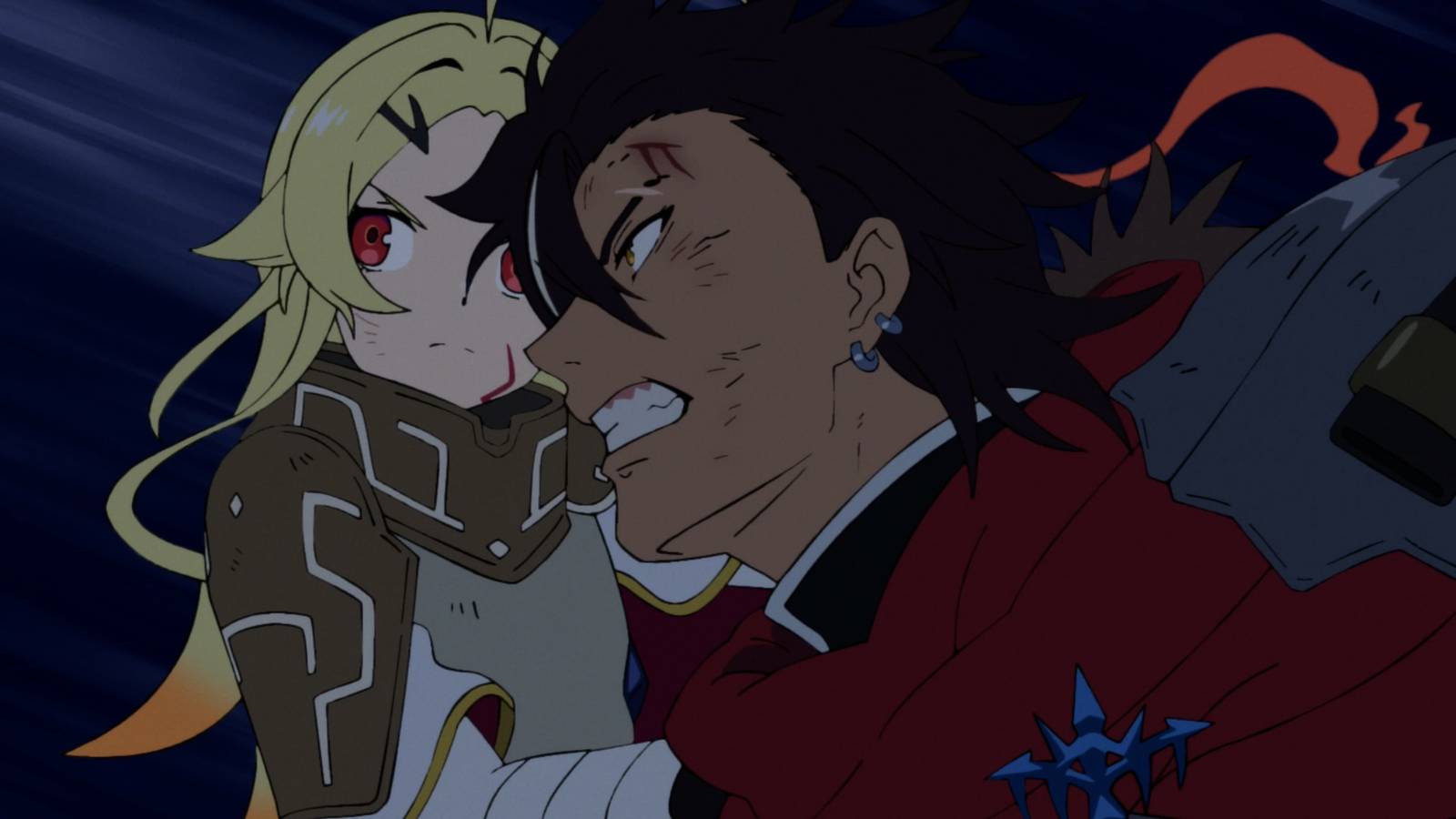
This came as a shock for fans who had just watched major Studio Kai anime like as A Star Brighter Than the Sun and Sentenced to Be a Hero. The latter is already being hailed as one of the best breakout series of 2026, but any plans for season 2 are now up in the air. The studio is also relatively new, opening its doors officially in June 2019. It mostly gained prominence through its work on the second season of Umamusume: Pretty Derby after taking up the reins from PA Works.
After delivering Sentenced to Be a Hero in January, Studio Kai has produced three additional projects that all released in the span of mere days this month: The Ramparts of Ice, Snowball Earth, and Mistress Kanan Is Devilishly Easy. How are any of these shows supposed to succeed when they’re not only competing with each other for attention but the already stacked list of Spring anime? It’s no wonder Studio Kai is in debt.
This explosion in anime content might be fantastic for fans, but it’s leaving little room for growth when it comes to the studios producing it. Last year saw more anime studio closures and bankruptcies than any previous year before it. There needs to be a level of consistency without the burden of overproduction.
Anime’s pace in the market doesn’t seem to be slowing down. Within the past year, several animation corporations have announced multi-year (and very expensive) strategy plans to increase output by massive margins, which isn’t as exciting as it may seem. Both Toei Animation and Toho are among them, with the latter aiming to release 30 seasons of anime per year by 2032.
With more bloat in the market than ever before, studios are often faced with far thinner margins — even when a show proves successful. This creates a state of constant strain that most studios perpetually exist in, operating on a fine line between stability and collapse. MAPPA is a perfect example. It delivers some of the best shows on the market, but has become synonymous with overwork and razor-thin production schedules.
The economics behind animation production are showing such drastic signs of strain that studios are even eyeing co-productions as a way to spread risk and stay afloat. That doesn’t spell much confidence for the future of anime, even though it’s a $462 billion industry as of 2025.
More doesn’t always equal better, and the animation market is proving that with each new studio closure. If shows like Sentenced to Be a Hero are to have a future, and if fewer projects are to be lost in the process, the industry will need to rethink how it sustains the people and studios that create them.