For the past few years, getting Call of Duty on release day has been a big reason to subscribe to Xbox Game Pass. Call of Duty is still hugely popular, but now, if you want it on launch day, you’ll have to pay for it separately. Microsoft has lowered the price of Xbox Game Pass Ultimate from $30 to $23 a month, but this means day-one access to Call of Duty is gone. This move makes sense financially for Microsoft, but I hope it’s a precursor to an even bigger move: a new, even-cheaper Game Pass tier that doesn’t include big AAA games like CoD.
Give us a Game Pass focused on a curated selection of AA and indie games, price it appropriately, and allow these titles to shine when they’re not competing for attention from games and franchises that regularly overshadow them.
One of the big problems with Xbox Game Pass is that its biggest games want to monopolize all of your attention. Call of Duty and Forza Horizon are cleverly designed to be “Forever Games”: experiences that demand all your free time and also influence you to spend more on them. The tactics aren’t exactly subtle, as Microsoft has experimented with early access to first-party games, allowing you to dive into those titles by upgrading to a deluxe edition for a few dollars more. Microsoft is still making money and getting a monthly pound of flesh out of you by keeping you subscribed to Game Pass, while flashy marketing campaigns and live-service elements keep you hooked for longer.
AAA games eat up all the available attention bandwidth, burying what could be the next breakout hit. In contrast, a Game Pass tier focused on smaller games–while also avoiding paralysis with a smaller library–offers other benefits. More games do not always equal better value, and Game Pass could benefit from curation. Subscribers do not necessarily need 100-hour games; they need games they’ll actually finish, and a Game Pass service that acts like a tastemaker, not a distributor, could be the solution.
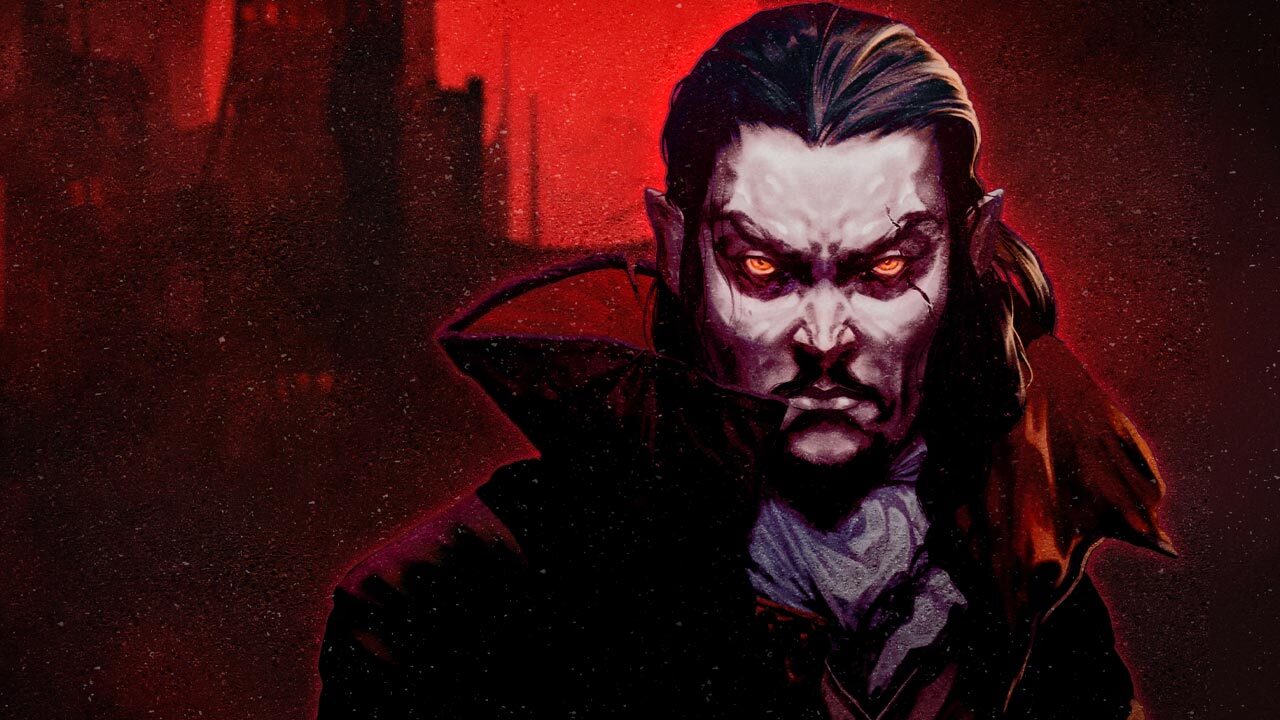
After all, these are the games taking the risks that larger game publishers and developers are averse to when they’re focused on maximizing sales. Take Hades and Vampire Survivors, for example: huge hits with a strong identity, with Game Pass and strong word of mouth being factors that allowed them to become genre-defining success stories. A smaller tier could be the place to discover that next breakout hit, an increasingly challenging issue as the number of total game releases increases every year.

Lately, it feels like we’re seeing fewer of those games arrive on Game Pass. That’s not to say that they aren’t there, but new additions arrive with very little fanfare. We’re not asking for Microsoft to lock in some music rights to a Nine Inch Nails single like it did with last year’s Call of Duty promotions, but the current laissez-faire attitude isn’t doing these games any favors.
What Game Pass needs to do is evolve into a service that caters to different philosophies: one for the players looking to jump into a blockbuster, and another that excels in discovery and retention. It’s a potential tier where less could be more with a handpicked library of games, making the subscription feel like a film festival, without breaking the bank.
In an age of AAA burnout, a curated escape from the endless grind of battle passes and FOMO-stoking login bonuses sounds like a great idea.