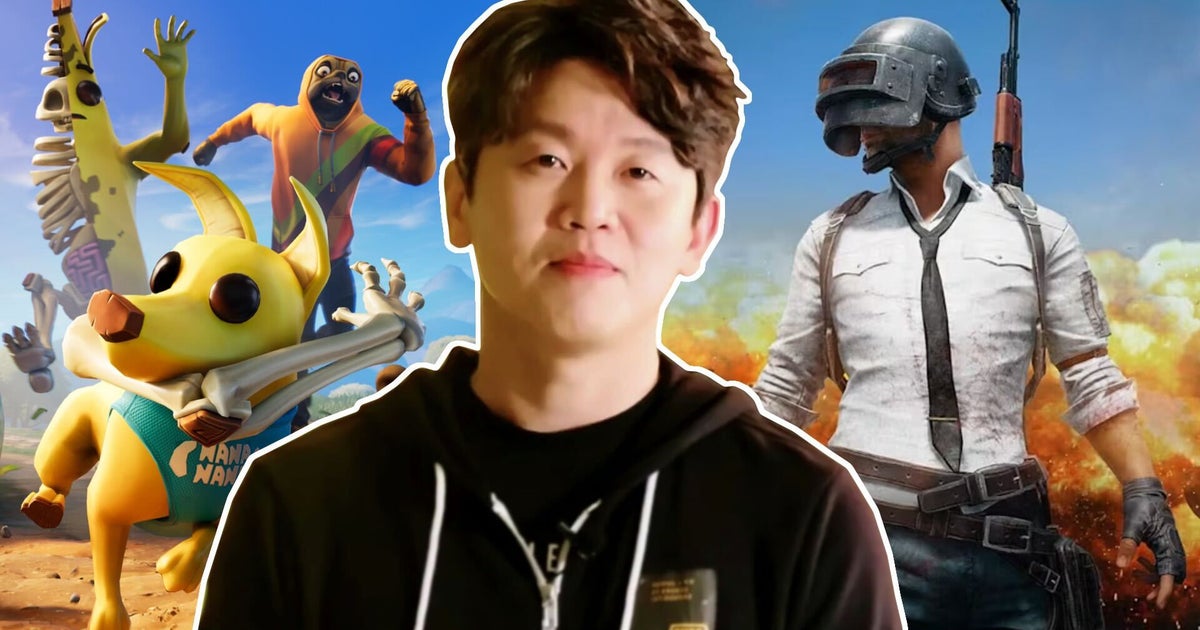
“When we first started, there was a shooter genre, and there was a subgenre within that which was battle royale,” says Taeseok Jang, Krafton’s head of the PUBG IP franchise group, as we talk on an upper floor of one of the Korean publisher’s many gleaming offices in Seoul. “But now it’s become its own genre – and there’s a shooter genre that’s kind of a subgenre to battle royale.”
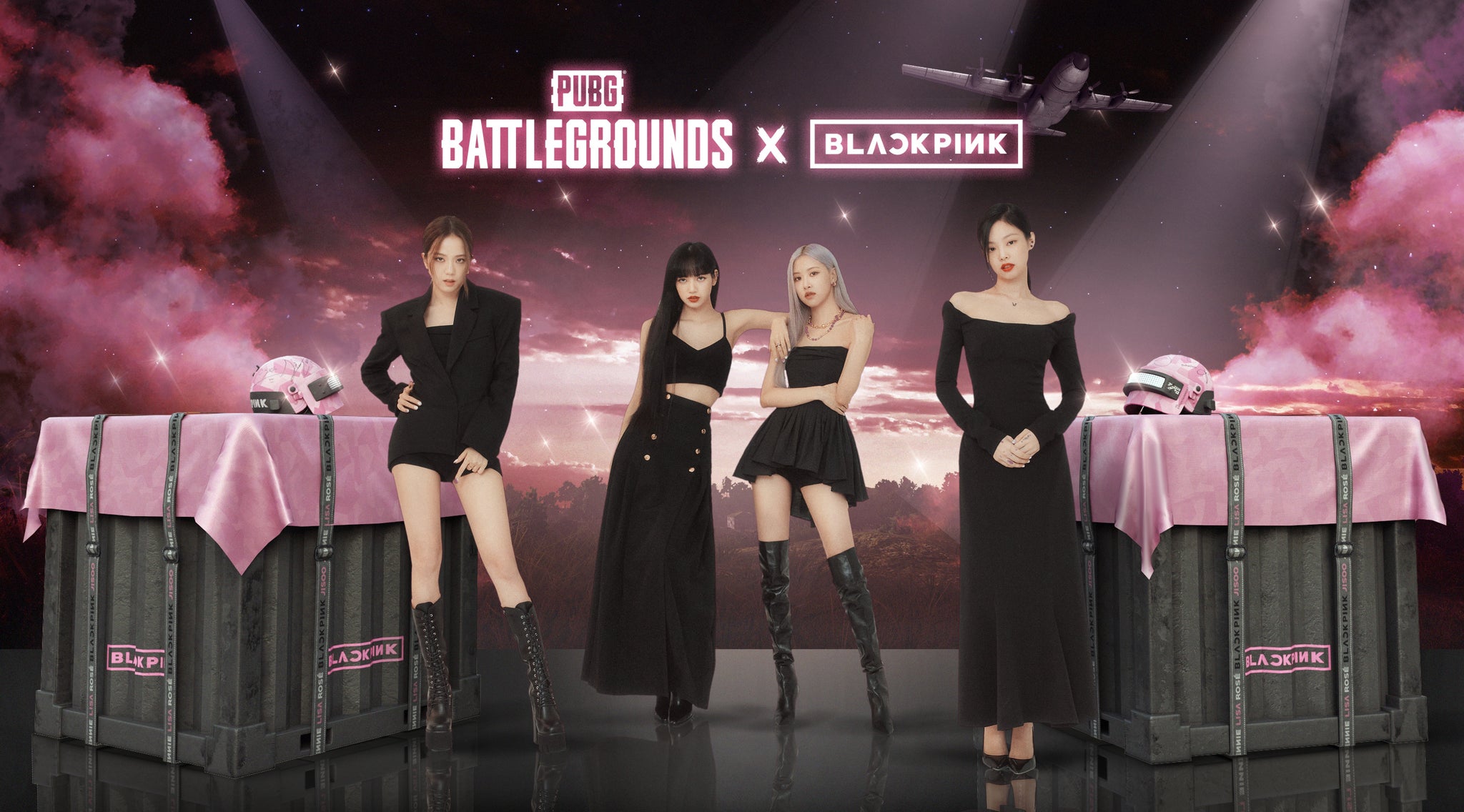
Presumably, what Jang means by that last part isn’t that all shooters are a subgenre to battle royales, but that the shooting is really just one aspect of them these days. If that’s the case, then I’d say he’s right, at least in part. PUBG: Battlegrounds, for instance – the battle royale game of what is now a wider, Brendan Greene-less PUBG franchise – is increasingly a stage for collaborations and events, from luxury brands such as Balenciaga and Lamborghini to K-pop superstars Blackpink. Plus, some other actual game modes as well, as most recently exemplified by the enjoyable, if slightly underwhelming PvE looter-shooter roguelite, Xeno Point. Meanwhile, Call of Duty: Warzone’s garish cosmetic collabs are the stuff of regular memes, and then there’s Fortnite.
Fortnite is, at least by its own stratospheric standards, not in a brilliant place. From my own conversations with Epic, and piecing together the unspoken but implied lessons of its numbers, it became clear Fortnite’s playtime had dropped considerably – “the logical conclusion” from the figures, as Epic’s Steve Allison put it to me at the time. And while it “still remains the biggest game in the world on many fronts,” in Allison’s words, Epic has since hoiked up the price of V-bucks and laid off an enormous number of developers.
Much of this is tied to other, more existential threats currently being wrangled by video games at large of course – dwindling disposable income, ever more aggressive competition from the engagement economy, more. But with no truly revolutionary entry to the genre for some time, and extraction shooters such as Arc Raiders and Marathon suddenly the cooler darlings of the shooter world, it does feel like something might be shifting.
To Jang, however, there’s little reason to worry. “I think we are in a really good position,” he tells me, via translator. “Whether it’s Apex, or Fortnite, whichever has a unique fandom and gameplay, there’s still room to get more love from the audience.” Battle royale games likewise benefit from a “uniqueness” of gameplay compared to others, he continues, “and we are able to accept a large pool of players, which is also our strength.”
Related to this is an almost ironic shift in PUBG’s overall strategy: after Fortnite ‘borrowed’ the battle royale format almost exactly from PUBG (resulting in a protracted lawsuit from the latter), that borrowing’s now going in the opposite direction. PUBG is moving towards a “platform” model based on Fortnite- and Roblox-style user-generated content, and even more partnerships and licensing of the brand. A partnership with Payday, featuring PUBG’s mechanics but Starbreeze’s “structure” on top, is scheduled for later this year, while in a separate presentation Jang points to potential for “TV shows, animations, cartoons” based on the PUBG license.
“I guess it’s not just like, Fortnite or PUBG’s strategy,” he says, when I highlight the funny cycle going on between the two here. “If we look at games in the market that are able to maintain that fandom, I think it was called ‘metaverse’ before it was one of the core strategies that these game companies use.” It was indeed, though that term’s now come to be somewhat inextricably linked to the comically doomed attempts of, say, Meta, to transmute largely run-of-the-mill virtual spaces into some kind of infinite money machine.
But Jang does touch on something here, in that ultimately the video game version of ‘the metaverse’, i.e., a game that’s also a place to hang out, with more than one thing to do and some occasional brand advertising deals wafting by, has until recently been the proven model. “You have to have different, varied content and different game modes in order to survive [as a] long-term service,” he continues. “And I think it’s not just PUBG or Fortnite, or different companies or different IPs.”
“What PUBG and Fortnite are really good at is having their own uniqueness [in] gameplay,” he adds, coming back to the point that the structure of battle royale games themselves can be an advantage, in comparison to other live-service games that may have struggled more recently. In his words, it’s “the core content that’s able to provide those different experiences for the users.” And, he notes, you need to have enough users there in the first place, too.
As for the irony of that once-oppositional relationship between the two games, Jang is much more collegiate. He describes it as not one of “competition”, but admiration. “I think Fortnite is really doing well in terms of providing this kind of content to the user,” he says. “As a partner and as a company that is in the market together, I have a big respect for them, and I just feel like they’re doing great.”
Epic’s accounts seem to agree – Statista estimates its gross revenue at about $6bn for 2025 – even if its many laid off employees might have something else to say. As for PUBG, Jang is certain “there’s room to get more growth”, beyond its already hefty user numbers. The game topped 1.34m concurrent players in March this year, after all. And so the weird, paradoxical cycle of video games’ success continues through these two sides of the same genre. Like games as a whole, the battle royale is as healthy as ever, until it isn’t.
This interview is based on a visit to Krafton and PUBG Studios in Seoul, South Korea. Krafton provided flights and accomodation.